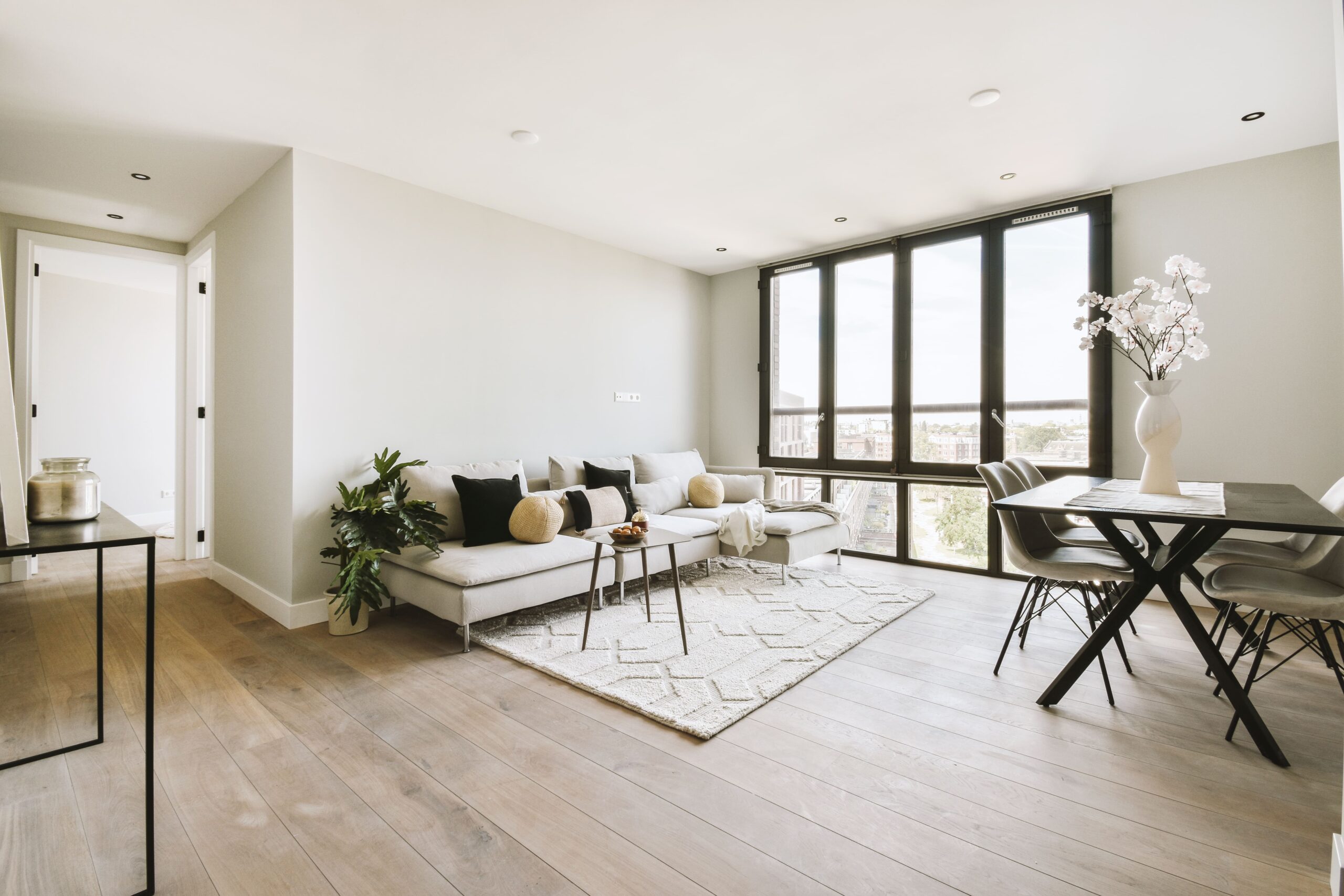
One of the first questions foreign buyers ask when considering real estate in the Dominican Republic is whether they are legally allowed to own property. The short answer is yes — foreigners may freely own property in the Dominican Republic, with the same rights and protections granted to Dominican citizens.
Dominican law does not impose restrictions based on nationality, residency, or immigration status. A foreign individual, as well as a foreign legal entity, may acquire residential, commercial, tourism, or investment property without the need for local partners, special permits, or prior government authorization. This legal openness is one of the main reasons why the Dominican Republic has become one of the most active real estate markets in the Caribbean for U.S. and Canadian buyers.
This right is firmly grounded in the Dominican legal framework, including the Constitution, Property Registration Law No. 108-05, and Foreign Investment Law No. 16-95, all of which protect private property and foreign investment. From a legal standpoint, a foreign buyer’s ownership rights are identical to those of a Dominican national once the property is properly acquired and registered.
However, while ownership is legally permitted, the protection of that ownership depends entirely on how the transaction is structured. Foreign buyers often assume that because ownership is allowed, the process is simple or informal. In practice, legal certainty arises not from nationality, but from proper due diligence, valid title, and correct registration before the Title Registry.
At AlterLegal, we frequently advise foreign clients that the Dominican Republic is a foreigner-friendly jurisdiction, but one that requires local legal guidance to navigate properly. When the process is handled correctly, ownership is secure, enforceable, and fully protected by Dominican law.